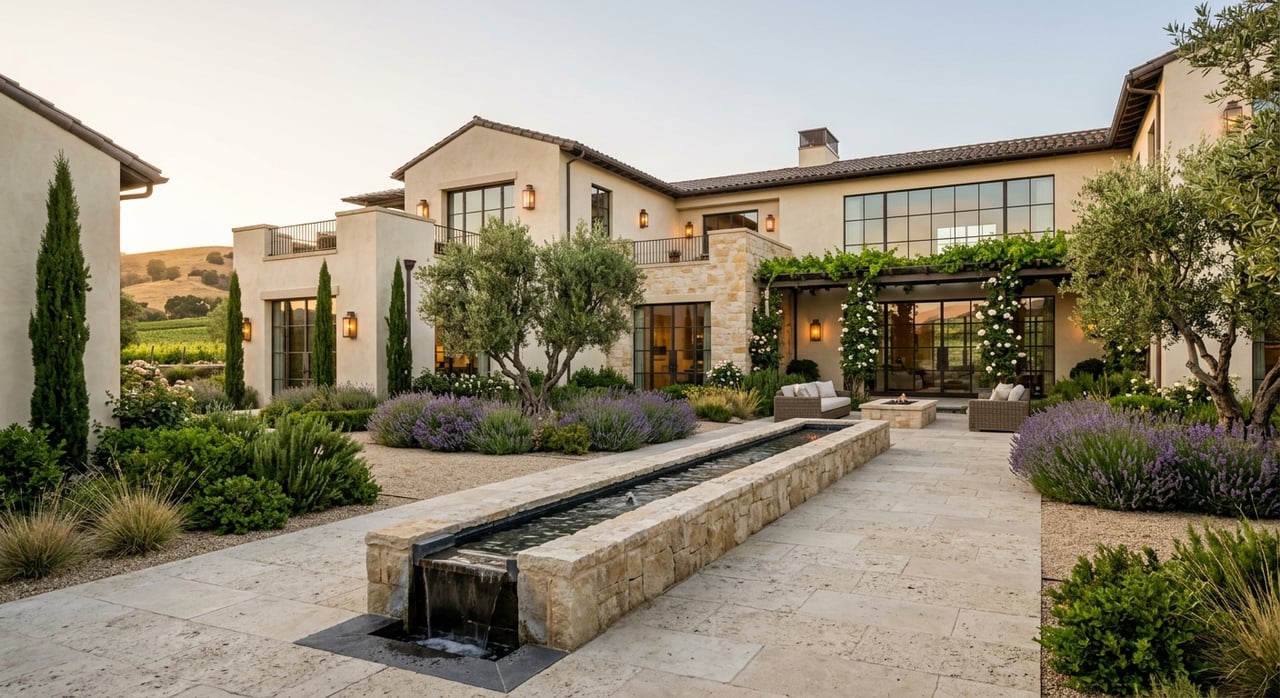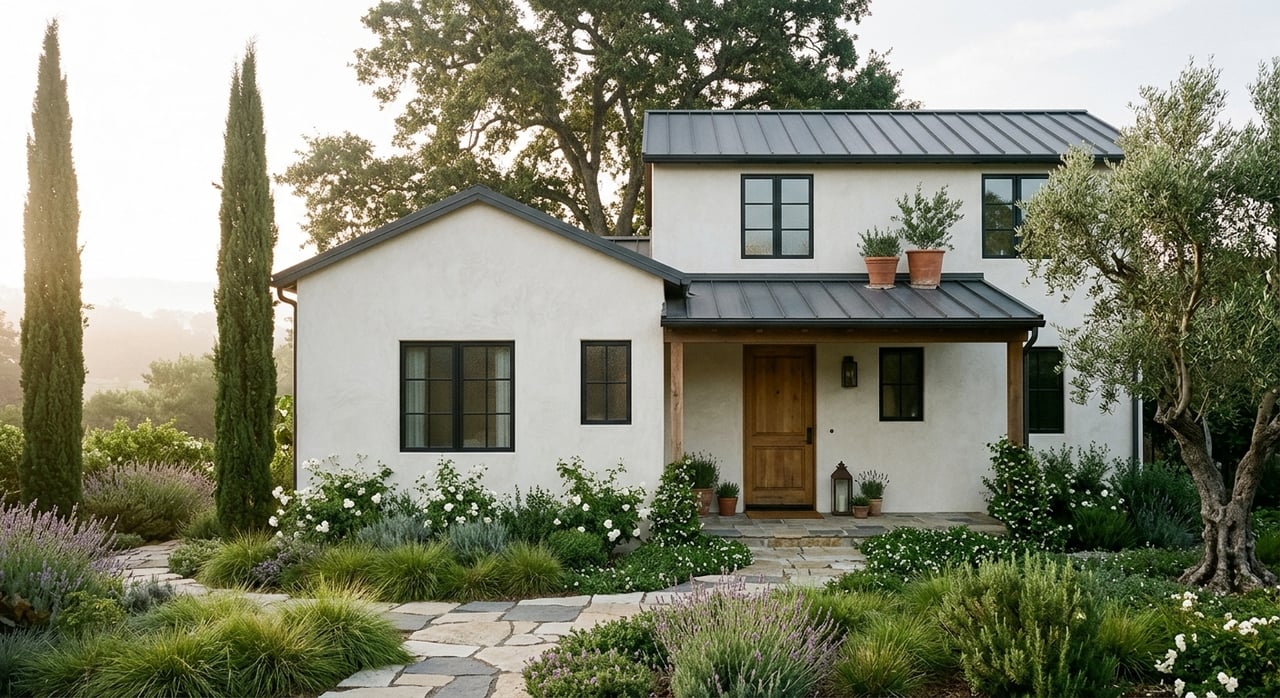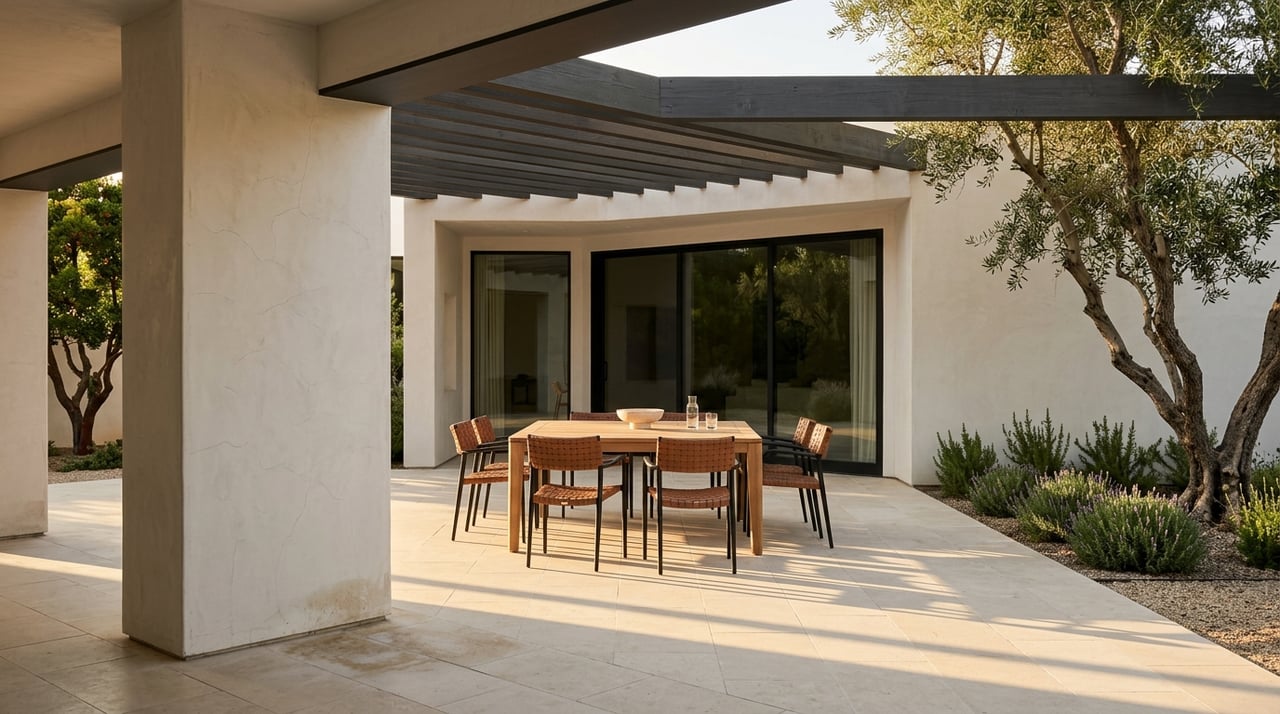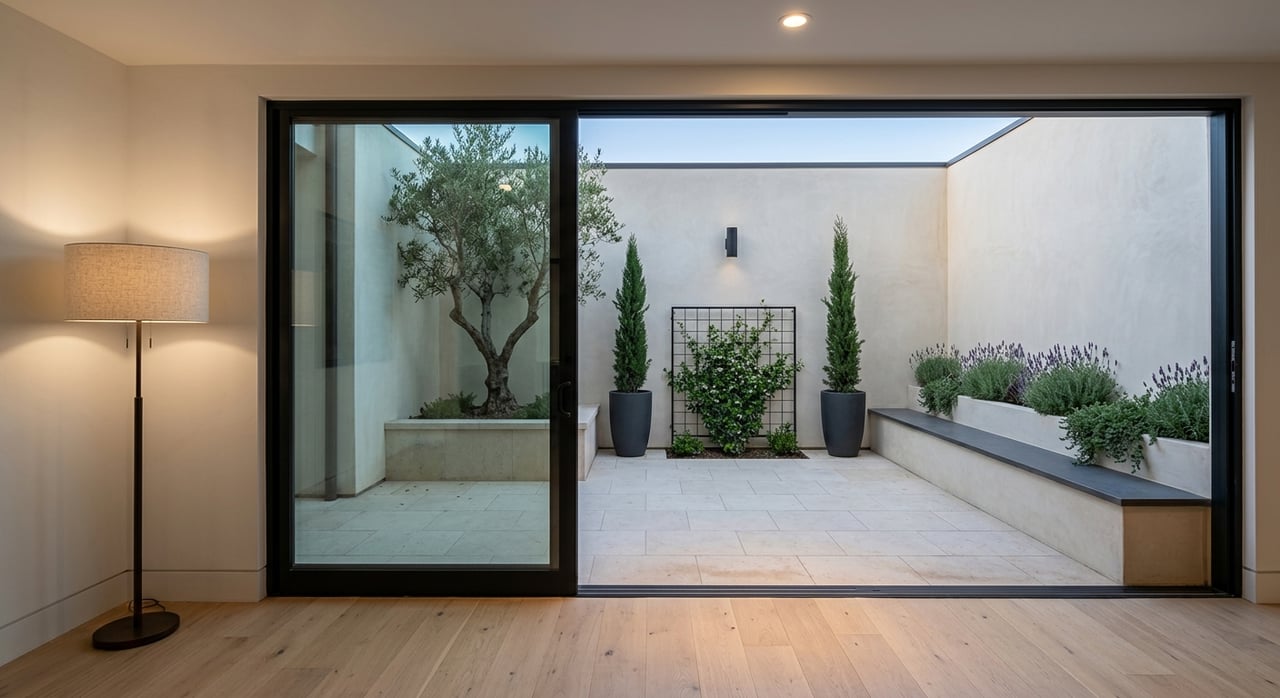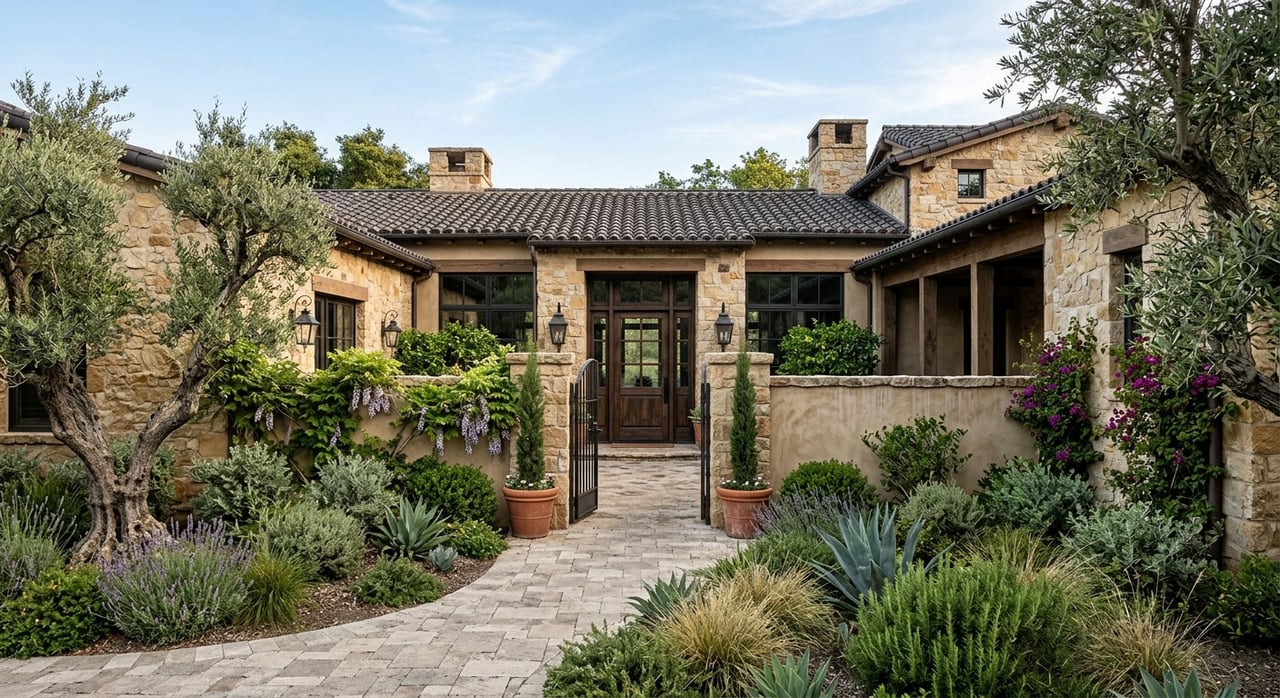
If you look at Santa Rosa through a single median price, you miss the real story. This is not one uniform luxury market. It is a layered market where in-town character homes, hillside view properties, and rural-edge estates behave differently, attract different buyers, and often move on different timelines. If you are buying or selling at the upper end, understanding those differences can help you price more accurately, search more strategically, and make better decisions. Let’s dive in.
Santa Rosa Luxury Starts With Context
Santa Rosa is best understood as Sonoma County’s large-volume base market with select premium pockets, not as a single luxury enclave. In Realtor.com’s April 2026 snapshot, Sonoma County shows about 1.8K homes for sale, a $949,000 median list price, 33 median days on market, and a 100% sale-to-list ratio. In that same dataset, Santa Rosa shows a lower $850,000 median listing price and 698 properties for sale.
Sold-side data tells a different part of the story. Redfin reports a Santa Rosa median sale price of $724,626 over the last three months ending in April 2026, with 37 median days on market. That gap matters because asking prices show seller expectations, while closed sales show where the market is actually clearing.
Compared with other Sonoma County markets, Santa Rosa also sits below several nearby luxury-forward areas on median list price. Realtor.com shows Sonoma at $1.1825 million, Sebastopol at $1.35 million, Healdsburg at $1.529 million, and Glen Ellen at $2.84 million. In practical terms, Santa Rosa offers more market depth and volume, while some of the county’s highest-end pricing remains concentrated elsewhere.
Why Submarket Analysis Matters
Citywide numbers are useful, but they do not explain where premium demand is concentrated. In Santa Rosa, public data suggests you should read the market by subarea rather than rely on one headline number.
BAREIS data from March 2026 shows northeast Santa Rosa averaging $1,085,450 across 52 residential sales with 74 average days on market. Southeast Santa Rosa averaged $836,559 with 61 days on market, while northwest Santa Rosa averaged $698,968 with 55 days on market and southwest Santa Rosa averaged $700,591 with 94 days on market.
This helps frame the local luxury conversation. Northeast Santa Rosa stands out as the city’s clearest higher-value cluster in the public data, while southwest Santa Rosa appears slower-moving. For buyers and sellers in the upper tier, that means location inside the city matters just as much as the Santa Rosa label itself.
Defining Luxury in Santa Rosa
Santa Rosa does not have one clean, universally accepted luxury cutoff in public data. A more practical way to read the market is to use working price tiers based on the city median and the current listing set.
Entry Luxury Range
A reasonable entry luxury or upper move-up tier sits around $1.3 million to $1.5 million. Current public examples include a modern Bennett Valley home listed at $1.345 million. At this level, buyers may be looking for upgraded finishes, stronger locations, modern design, or larger homes within established neighborhoods.
Core Estate Range
The next tier is the core estate and premium view segment, roughly $2.9 million to $4.5 million. Public listings on Sonoma Mountain Road help illustrate this band, including homes around $2.98 million to $2.997 million with wine-country features and view-oriented positioning.
In this range, value is often tied to the setting as much as the structure. Buyers are evaluating views, land, privacy, outdoor living, and how the property captures the broader wine-country environment.
Trophy and Land-Rich Range
At the top is the trophy and land-rich estate segment, generally $4 million and above. Current public examples include a 99.73-acre parcel on Calistoga Road listed at $4.5 million, an 18.51-acre lot on Fountaingrove Parkway at $4.2 million, a new-construction home on Mark West Springs Road at $4.275 million, and a Cristo Lane home at $5.995 million.
This tier is not limited to finished homes. In Santa Rosa, upper-tier inventory can also include acreage, development-oriented land, or properties where the site itself is a major part of the value proposition.
What Luxury Buyers Are Really Paying For
At the high end, price is only part of the equation. The language used in current listings offers a clearer view of what the market values.
Public luxury listings in Santa Rosa repeatedly emphasize vineyards, rolling vineyard views, wine cellars, infinity pools, spas, acreage, and land parcels. That pattern suggests the premium market here is closely tied to wine-country lifestyle and site quality, not just bedroom count or square footage.
For buyers, this means two homes at similar prices may offer very different value. One may be an in-town property with architecture and renovation appeal, while another may command its price because of views, acreage, or a more immersive wine-country setting.
Three Main Luxury Property Types
Santa Rosa’s luxury market works best when you separate it into a few product categories. That makes the market easier to interpret and helps you compare like with like.
In-Town Character Homes
Santa Rosa’s planning materials identify traditional grid neighborhoods such as Junior College, Burbank Gardens, and West End. The city also notes that the St. Rose Historic District includes homes dating from 1872 through the 1940s.
In the upper end of the in-town market, value often comes from character, location, and renovation quality rather than acreage. Buyers drawn to these homes are often weighing architecture, original details, lot usability, and proximity to daily amenities within the city fabric.
Hill and View Estates
Fountaingrove is one of the most important premium submarkets to watch. The city defines the Fountaingrove Area as a district bounded on three sides by the city boundary and on the south by Fountaingrove Parkway, the Keysight Technology campus, and Chanate Road.
The city also notes that hillside projects generally trigger design review. Fountaingrove II describes itself as a wildland-urban interface community that balances native habitat preservation with fire-safety concerns. For buyers and sellers, that means view properties in hillside settings can carry extra layers of design, slope, and defensibility considerations.
Oakmont and Bennett Valley also appear prominently in Santa Rosa’s neighborhood ecosystem and in public luxury search behavior. These areas remain recognizable names in the move-up and luxury conversation, which helps support buyer awareness and targeted demand.
Rural-Edge and Vineyard-Adjacent Estates
Santa Rosa’s land-use diagram includes Agriculture and Open Space designations, and the city says rural vistas on the city’s edges contribute to local identity. That context aligns closely with current luxury listings along corridors such as Calistoga Road, Mark West Springs Road, Sonoma Mountain Road, Brush Creek Road, and Franz Valley Road.
These properties tend to reflect the most wine-country-oriented expression of Santa Rosa luxury. Here, the value story often centers on estate scale, land, views, and how closely the property connects to the surrounding landscape.
How to Read the Market Like a Professional
If you want a clearer read on Santa Rosa luxury, a few public indicators matter more than the headline median.
Compare List Prices With Closed Sales
Sonoma County’s median list price is $949,000, while its median sold price is $815,000. In Santa Rosa, the median list price is $850,000, while Redfin’s sold-side median is $724,626.
That spread can tell you a lot about pricing discipline. When the gap narrows, sellers are generally closer to market reality. When it widens, buyers may have more room to negotiate, especially in niche or slower-moving luxury segments.
Watch Days on Market by Area
Countywide median days on market sits at 33 days in Realtor.com’s April 2026 snapshot. Santa Rosa’s sold-side median is 37 days on Redfin. BAREIS area data adds more detail, with northeast Santa Rosa at 74 average days on market and southwest Santa Rosa at 94.
Longer timelines are not unusual in premium hillside, estate, or land-rich segments. These properties serve a smaller buyer pool, and the sales cycle often reflects that. For sellers, that means patience and pricing strategy matter. For buyers, it can create selective opportunities.
Separate Inventory Depth From Luxury Scarcity
Santa Rosa has 698 properties for sale in the Realtor.com snapshot, which gives the city meaningful market depth. But the luxury segment is still fragmented by neighborhood, setting, and property type.
That is why citywide medians can be misleading at the upper end. A vineyard-adjacent estate, a Fountaingrove view home, and a renovated in-town historic property are all part of the Santa Rosa market, but they should not be judged by the same baseline.
Hillside and Wildfire Context Matter
For many premium properties, especially in hillside or edge locations, physical setting is not just a lifestyle feature. It is also a practical factor that can affect value, renovation potential, and resale strategy.
The city’s Community Wildfire Protection Plan covers wildland-urban interface areas and notes that WUI boundaries are being updated. The city also states that hillside projects can require design review, and its planning portal shows that many development and exterior-change applications now move through the online permitting system.
For a buyer, this means due diligence should go beyond finishes and views. For a seller, it means preparation matters. The permitting path, site constraints, and fire-safety context can all shape how a property is positioned in the market.
What This Means for Buyers
If you are shopping in Santa Rosa’s upper tier, the first step is to define what kind of luxury experience you want. The city offers several distinct versions of premium living, and each comes with its own trade-offs.
You may prefer:
- A renovated in-town home with character and convenience
- A hillside property focused on views and architectural presence
- A rural-edge estate with land and a stronger wine-country feel
Once that is clear, compare properties within the same category. That is often the best way to avoid overpaying based on a broad citywide headline that does not really match the product you want.
What This Means for Sellers
If you are selling in Santa Rosa’s luxury market, broad averages are only a starting point. A strong strategy begins with identifying your property’s true peer group and understanding whether your value is driven by location, views, architecture, land, or lifestyle positioning.
That is especially important in a market where luxury inventory is fragmented and buyer expectations are specific. A hillside estate, a vineyard-view property, and a restored in-town home may all be premium offerings, but they need different pricing logic, marketing emphasis, and buyer targeting.
The Santa Rosa Luxury Market, Interpreted
The clearest way to understand Santa Rosa luxury is to see it as a collection of specialized micro-markets inside a broader, more affordable city base. The premium segment is real, but it is concentrated in select neighborhoods, hillside districts, and rural-edge corridors rather than spread evenly across the city.
For buyers and sellers alike, the most useful signals remain straightforward: list price versus sold price, days on market, active inventory, and whether the property sits in a hillside, wildland-urban interface, or agricultural-edge setting. Read those indicators in context, and Santa Rosa becomes much easier to navigate.
If you are evaluating a Santa Rosa luxury purchase or preparing a high-value property for market, SagePoint Real Estate Company offers principal-led guidance shaped by wine-country strategy, refined positioning, and a clear reading of complex assets.
FAQs
How should you define the Santa Rosa luxury home market?
- The most practical approach is to view Santa Rosa luxury as a tiered market, with entry luxury around $1.3 million to $1.5 million, core estate properties around $2.9 million to $4.5 million, and trophy or land-rich properties at $4 million and above.
What do Santa Rosa luxury buyers value most in upper-end properties?
- Public listings suggest buyers often pay for setting and lifestyle features such as vineyard views, acreage, wine-country surroundings, pools, spas, and site quality, not just square footage.
Which areas stand out in the Santa Rosa luxury market?
- Public data points to northeast Santa Rosa as a higher-value cluster, while Fountaingrove, Bennett Valley, Oakmont, and rural-edge corridors like Sonoma Mountain Road and Calistoga Road are key areas to watch.
Why do Santa Rosa luxury homes sometimes take longer to sell?
- Higher-end homes often appeal to a smaller buyer pool, and BAREIS data shows longer average days on market in some subareas, which can reflect more specialized product, location-specific factors, and a longer marketing cycle.
What should you review before buying a Santa Rosa hillside luxury home?
- You should look closely at hillside design review requirements, wildland-urban interface context, and any permitting considerations that may affect future improvements, resale, or overall property use.