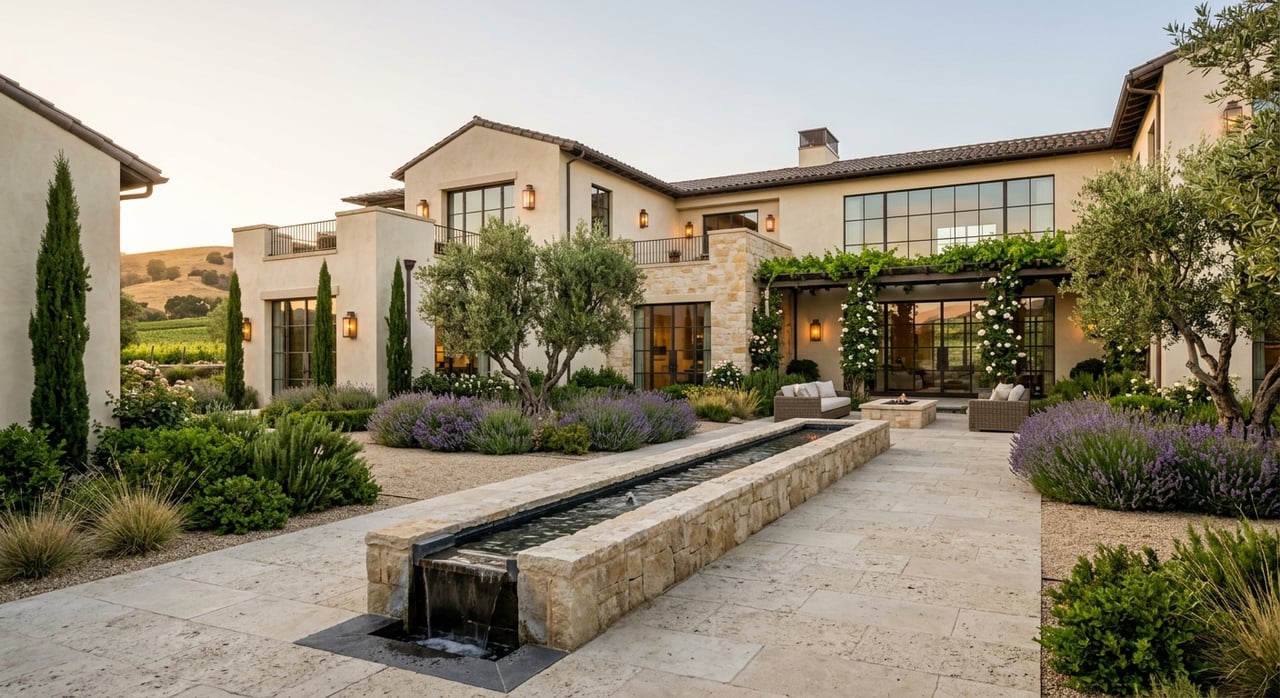
If you are looking at Calistoga for a second home or hospitality-style ownership, one question matters right away: are you buying a home, a resort residence, or something that functions more like lodging? In Calistoga, those lines can blur. That is especially true in a small market shaped by hot springs, resorts, and second-home demand. This guide will help you understand the main resort-linked real estate options in Calistoga, what makes each one different, and what to review before you move forward. Let’s dive in.
Why Calistoga Creates Unique Buyer Interest
Calistoga sits at the north end of Napa Valley and has a strong identity as a small town known for hot springs, resorts, and mud baths. The city also notes that it is within easy driving distance of Sonoma County Airport and about 90 minutes from Oakland, Sacramento, and San Francisco airports.
That combination helps explain why Calistoga attracts both visitors and property buyers. For many people, it works as a full-time home base, a weekend retreat, or a second-home market tied to hospitality and wellness.
The local lodging economy is also significant for a town of this size. According to the city, Calistoga has 37 lodging establishments with 861 rooms, and the city applies a 13% transient occupancy tax to room rentals of less than 30 days. That hospitality footprint shapes how many buyers think about ownership here.
What Resort-Linked Real Estate Means
In Calistoga, resort-linked real estate is best understood as an umbrella term. It can include branded residences, resort homesites, and HOA-managed homes inside a hospitality-driven setting.
That is different from a standard home purchase in a typical residential neighborhood. In a resort-linked setting, your ownership may come with access to services, shared amenities, governance documents, rental rules, and use restrictions that do not apply to a more independent home.
In simple terms, the tradeoff is often this: more service usually comes with more structure. More independence usually comes with fewer built-in amenities.
Calistoga Resort Ownership Options
Branded residences
Branded residences are the most service-rich option in the local market. These properties are tied to a hospitality brand and are often designed to deliver a resort-style ownership experience.
Four Seasons Resort and Residences Napa Valley is the clearest current example in Calistoga. The resort opened in 2021 at 400 Silverado Trail, includes 95 resort keys, and originally offered 20 private residences, which Four Seasons says have sold out. The project also highlights an onsite Cabernet Sauvignon vineyard and winery, along with service and amenity access.
Rosewood Residences Calistoga is another major example, though it is still future-facing. Rosewood describes the project as limited to 20 private villas and 13 homesites, with services and amenities including a farm-to-table restaurant and Asaya Spa. Visit Napa Valley describes the project as opening in 2027.
For buyers, branded residences can offer a strong lock-and-leave appeal. At the same time, they often involve more operating rules, ownership documents, and shared governance than a traditional single-family home.
Resort villas and homesites
Some Calistoga projects sit between a conventional home purchase and a fully branded residential model. These properties may offer separate ownership inside a larger resort environment, but with a different structure than a private residence attached to a major brand.
Calistoga Hills Resort is a key example. The City of Calistoga lists it as an 88-acre resort under construction with 110 guestrooms, 20 guest homes, and 13 residence sites. The project page states that the 20 private villas each have an individual pool and are proposed for separate sale and independent ownership.
For a buyer, this kind of product may feel closer to owning a second home, but still within a managed hospitality setting. That makes the governing documents, use rights, and amenity terms especially important.
Traditional homes with added flexibility
Not every buyer who wants a Calistoga lifestyle needs a branded or resort-managed property. Some buyers may prefer a more traditional home and then explore whether an accessory dwelling unit or junior accessory dwelling unit could add flexibility.
The city says a single-family property may have one ADU and one JADU. ADUs may be attached, detached, or converted from existing space, may be up to 1,000 square feet, and may be rented for 30 days or longer. JADUs may be up to 500 square feet.
This path can appeal to buyers who want a Calistoga base with a simpler ownership structure. It may also suit buyers who value flexibility for family use or longer-term rental options rather than a resort-style operating model.
Why Buyer Expectations Are Different Here
Calistoga has long been shaped by hospitality. Well-known resorts help set the tone for what buyers expect from the market, even when they are shopping for a more conventional property.
Indian Springs is one example of that longstanding resort identity. It describes itself as a historic resort on 17 acres in Calistoga. The presence of established hospitality properties like this helps explain why buyers often compare standard homes to resort-style living.
There is also a broader housing context worth noting. Calistoga’s housing element historically stated that the growing purchase of homes as second homes, along with short-term vacation rentals, reduced housing stock available to permanent residents. That background matters because it shows how closely residential ownership and hospitality demand have been linked in this market.
The Most Important Question: What Are You Actually Buying?
This is where buyers need to slow down and get specific. In Calistoga, the marketing language around a property may sound similar from one project to the next, but the legal structure can be very different.
You may be buying:
- A fee-simple home
- A homesite within a resort-oriented community
- A villa governed by HOA rules
- A product that functions more like vacation ownership or a right-to-use arrangement
Those differences affect how you use the property, how it is managed, what you pay over time, and what happens if you want to rent it.
If a property is structured as a timeshare or similar vacation-ownership plan, the California Department of Real Estate says it falls under the Vacation Ownership and Time-share Act of 2004 and requires a public report before marketing or sale. The DRE also notes that purchasers receive a seven-day cancellation window. The key takeaway is simple: do not assume every resort-linked property is the same just because the lifestyle presentation feels similar.
HOA Rules and Shared Governance Matter
Many resort-linked properties in Calistoga will involve some form of common-interest development or HOA structure. That means your ownership rights are shaped not only by the deed, but also by project documents and association rules.
The California Department of Real Estate says public reports for new subdivisions and common-interest developments disclose key information such as covenant restrictions, HOA assessment costs, common-area details, and other material facts. In practice, this means buyers should pay close attention to the details that affect daily ownership.
Focus on documents and disclosures covering:
- CC&Rs
- HOA dues and assessment structure
- Reserve funding
- Maintenance responsibilities
- Parking rules
- Exterior-change restrictions
- Amenity access terms
- Rental limitations
These are not minor details. In a resort-linked property, they shape both your lifestyle and your long-term cost of ownership.
Can You Live There Full-Time?
Many buyers ask this question, and the answer is not something you should guess from the sales materials. In Calistoga, full-time use depends on the property documents, zoning, and project-specific rules.
The city’s housing resources support full-time residential use through standard homes, ADUs, and JADUs. Resort-branded or hospitality-linked projects, however, may add occupancy rules, amenity terms, or rental program requirements that change how the property functions.
The safest approach is to confirm full-time use through the deed, HOA documents, and project disclosures. If you are considering a resort-linked purchase, that review should happen early.
Rental Use and Local Tax Rules
If you plan to place a property into a rental program or use it in a lodging-style way, local tax treatment matters. Calistoga states that its 13% transient occupancy tax applies to lodging stays of less than 30 days.
That means a resort-linked property used for short stays may have a different cost and compliance structure than a purely residential second home. The city’s tourism improvement district planning also describes the local lodging universe broadly, including hotels, motels, inns, vacation rentals, and short-term rentals.
For buyers, the practical point is this: rental flexibility can be valuable, but it may come with added rules, taxes, and operating requirements. You will want to understand those items before you underwrite the property as an income-producing asset.
A Smart Review Checklist Before You Offer
In a market like Calistoga, careful review is not optional. A resort-linked purchase often has more moving parts than a conventional home purchase.
Before writing an offer, make sure you understand:
- The exact ownership structure
- Whether the interest is fee-simple, homesite-based, or vacation-ownership related
- HOA dues and reserve funding
- Amenity access and service rights
- Parking rules
- Furnishing requirements, if any
- Maintenance obligations
- Insurance expectations
- Occupancy or use restrictions
- Local tax treatment if rentals are involved
A clear review upfront can help you compare options more accurately. It can also prevent surprises after closing.
How to Think About the Tradeoff
For many buyers, the Calistoga decision comes down to a familiar balance. Do you want the convenience, service, and hospitality atmosphere of a resort-linked residence, or do you want the freedom and simplicity of a more traditional home?
Neither path is automatically better. It depends on how you plan to use the property, how much structure you are comfortable with, and how important resort services are to your ownership experience.
In Calistoga, that distinction matters more than in many other small markets because the city blends permanent homes, second homes, and hospitality-oriented product in a compact area. Understanding the structure behind the lifestyle is what leads to a smarter decision.
If you are weighing resort residences, villas, homesites, or more traditional options in Calistoga, a well-informed comparison can save time and sharpen your decision-making. To schedule a private consultation, connect with SagePoint Real Estate Company.
FAQs
What is resort-linked real estate in Calistoga?
- In Calistoga, resort-linked real estate can include branded residences, resort homesites, and HOA-managed homes within a hospitality-focused environment.
What branded residence examples exist in Calistoga?
- Publicly visible examples include Four Seasons Resort and Residences Napa Valley and the future Rosewood Residences Calistoga project.
What is the Calistoga Hills Resort ownership model?
- The City of Calistoga describes Calistoga Hills Resort as an 88-acre resort under construction with guestrooms, guest homes, and residence sites, including private villas proposed for separate sale and independent ownership.
Can a Calistoga resort-linked property be used as a full-time home?
- Full-time use depends on the deed, zoning, HOA rules, and project disclosures, so buyers should confirm occupancy rights rather than assume them.
How do ADUs fit into Calistoga real estate planning?
- The city allows one ADU and one JADU on a single-family property, which can give buyers added flexibility outside a branded resort structure.
What tax issue matters for short-term rental use in Calistoga?
- The city states that a 13% transient occupancy tax applies to lodging stays of less than 30 days, which can affect owners using a property in a lodging-style rental program.
What should buyers review before offering on a Calistoga resort residence?
- Buyers should review the ownership structure, HOA dues, reserve funding, amenity rules, maintenance duties, parking, insurance expectations, occupancy limits, and any local tax implications tied to rentals.