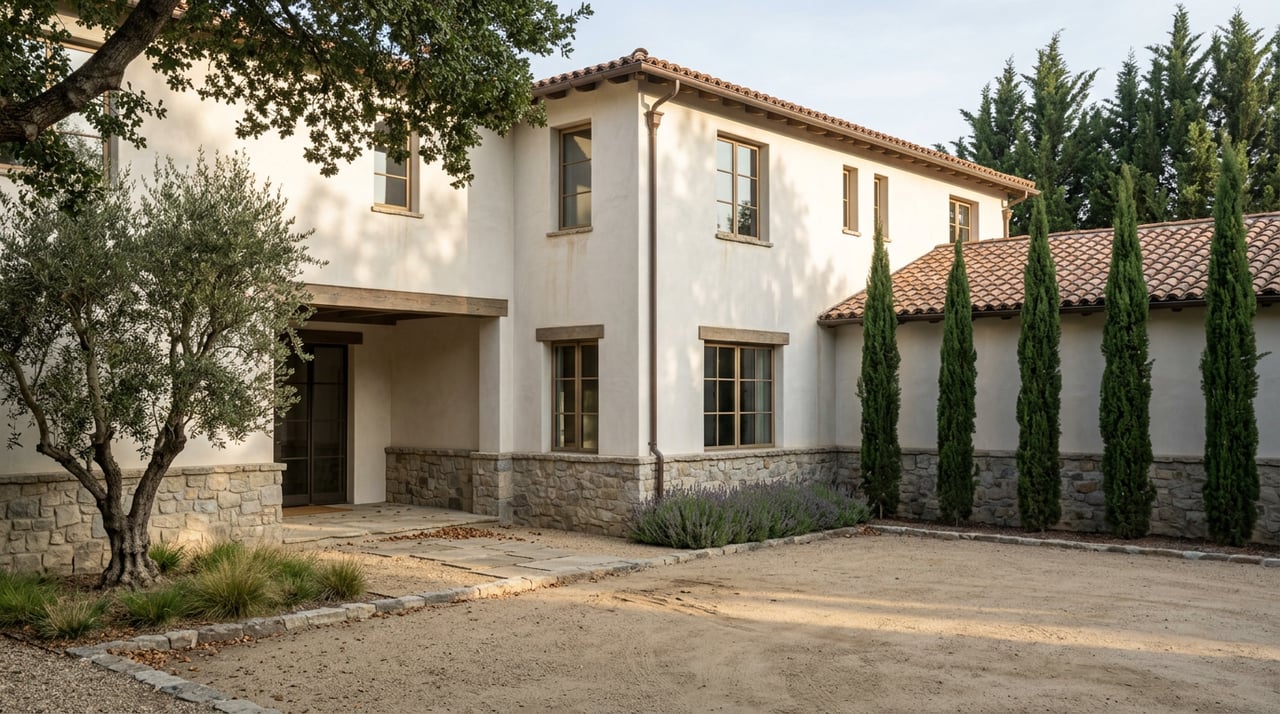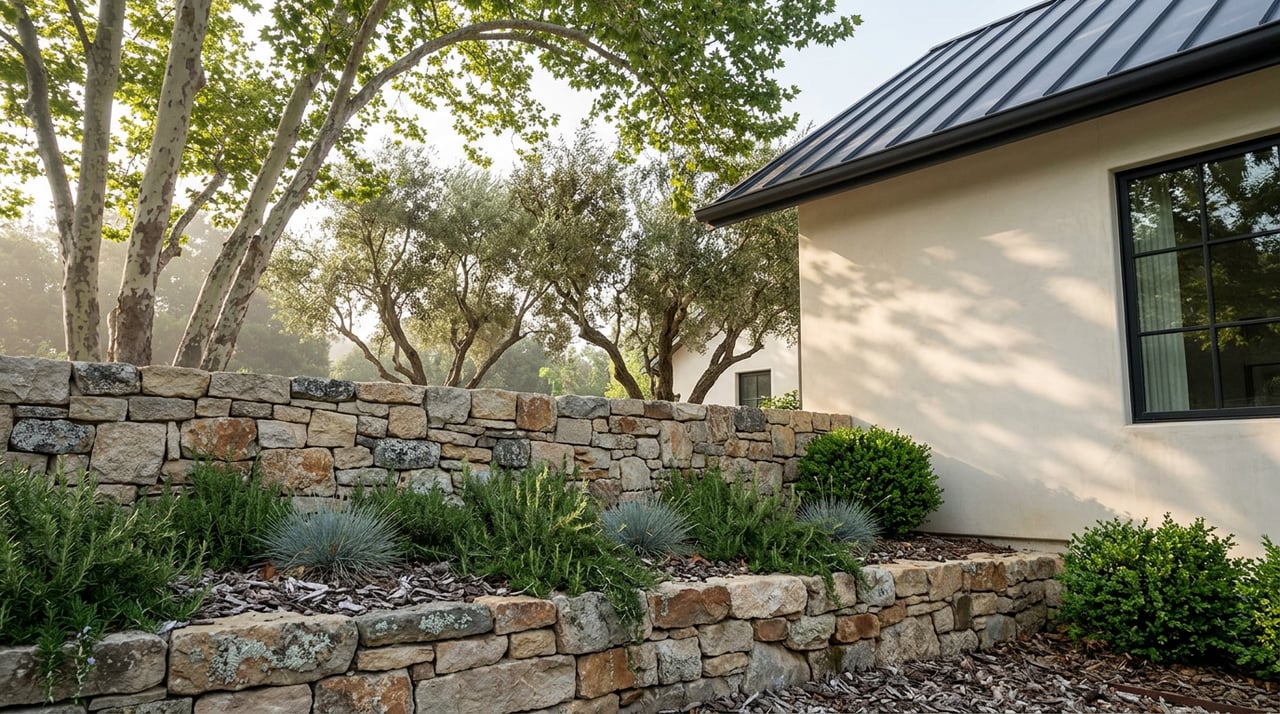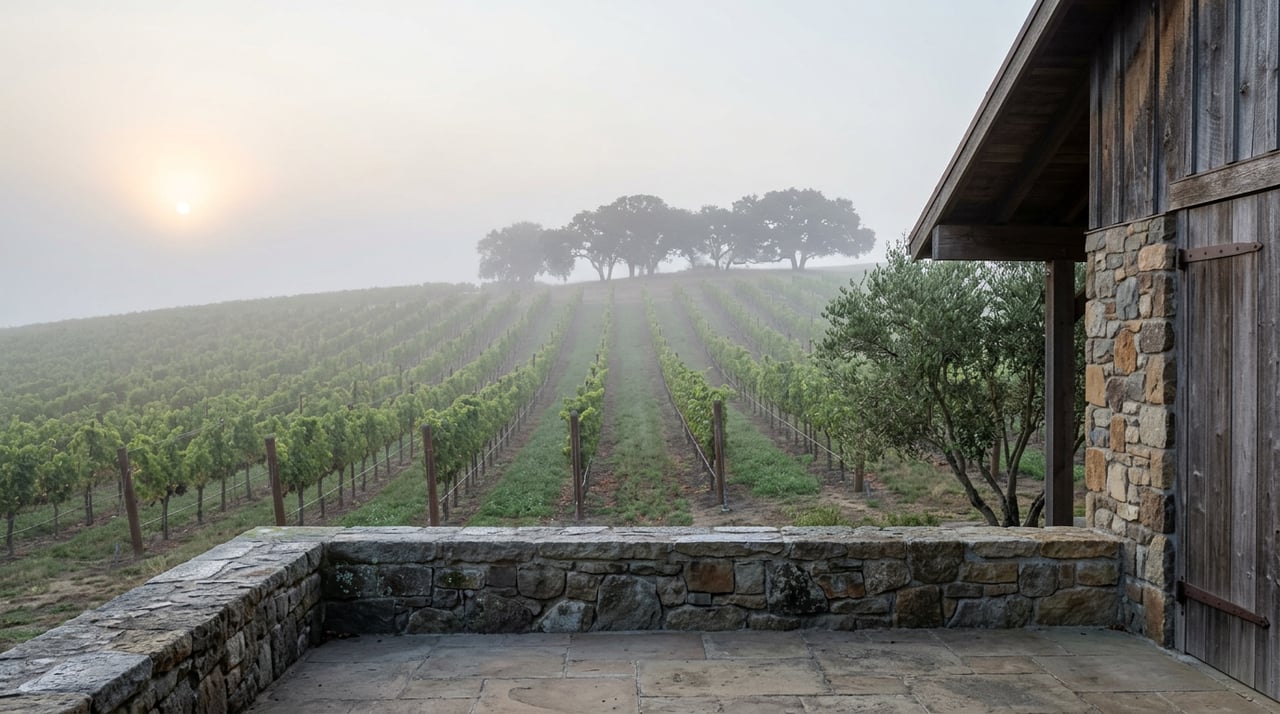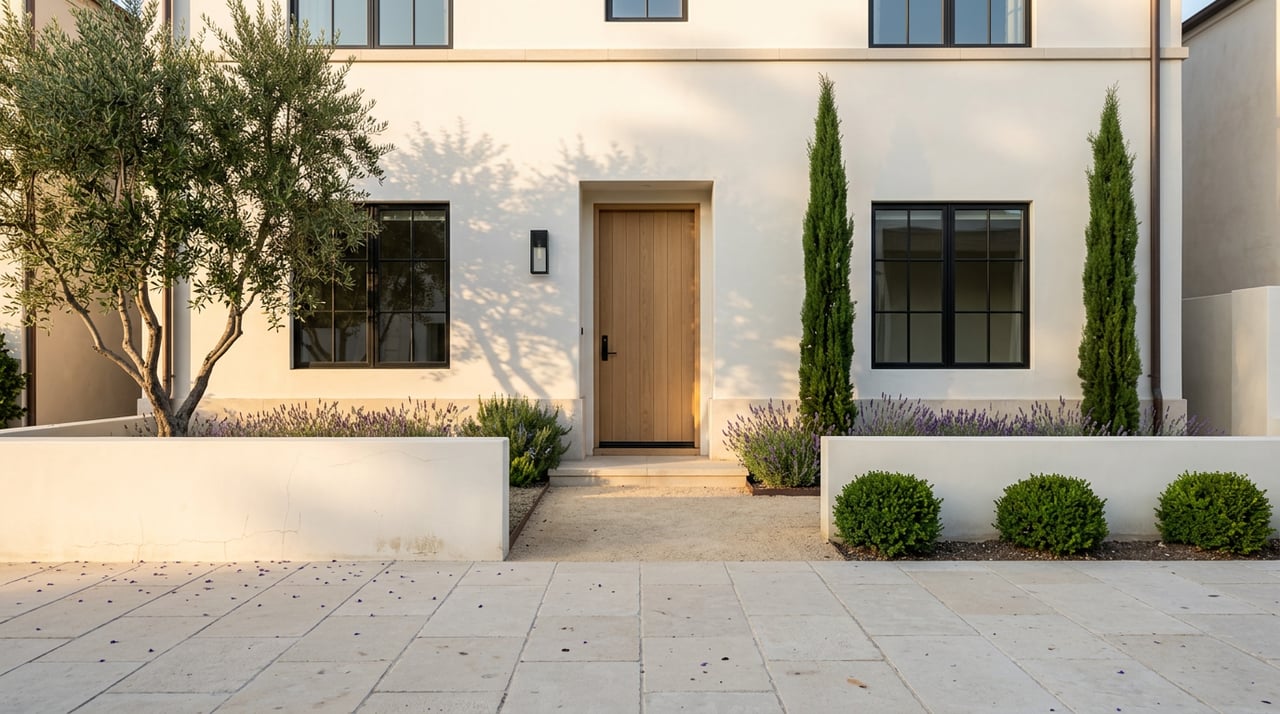
What you love about Sonoma can change block by block. A few streets near the Plaza feel like a nightly promenade, while a short drive puts you on a quiet lane edged by vineyards or a hillside with sweeping valley views. If you are deciding where to buy, understanding these micro-locations helps you match daily life to the right address and avoid surprises in due diligence. This guide maps what everyday rhythms look like across Sonoma and outlines the checks you should run before you write an offer. Let’s dive in.
What micro-locations mean in Sonoma
Sonoma’s heart is the historic Plaza, surrounded by in-town neighborhoods, foothill view corridors, and vineyard-edge parcels. Each setting shapes how you move through your week, from walking to dinner to planning for well and septic service out in the county. The Plaza is a year-round civic and visitor hub with restaurants, tasting rooms, shops, and events within a compact, walkable core. You can see this lifestyle captured in the area’s visitor guides that highlight dining, tasting, and events around downtown Sonoma.
Another key divide is city versus county. Inside the City of Sonoma, many homes connect to municipal services and follow city building rules. Outside city limits, unincorporated parcels often rely on private wells and onsite wastewater treatment systems, with different permitting and design standards. If a property is not on sewer, plan for soils and percolation testing and permit timelines during escrow, as outlined by Permit Sonoma.
Micro-location profiles
Plaza core: Sonoma Plaza and 1st Street West
- Daily rhythm: Highly walkable, lively evenings and weekends, and a steady flow of locals and visitors drawn to dining, tasting rooms, markets, and cultural events around one of California’s largest historic plazas.
- Noise and visitors: Expect a regular pedestrian rhythm and visitor presence, especially during weekends and event dates.
- Typical housing: Historic cottages, bungalows, small duplex/duet communities, and a limited number of condos with compact yards. Walk Score rates central Sonoma as highly walkable.
Due diligence to prioritize:
- Utilities and services: Confirm municipal water and sewer connections and any constraints on intensifying use with the local sanitation district or Sonoma Water.
- Short-term rentals: Rules vary by city; several cities in the county have caps or restrictions. Confirm current city policy before modeling rental income. County STR guidance applies in unincorporated areas.
- Event context: Check local event calendars and consider parking and peak visitor hours when evaluating street activity.
Helpful sources: Explore the Plaza’s role as a civic and visitor center, see Walk Score for central walkability, and learn about historic context at Sonoma Plaza.
In-town neighborhoods: El Verano, Temelec, Browns Valley, Overlook/Montini
- Daily rhythm: Quieter than the Plaza but still close to services and parks. Many residents choose these areas for a town-suburban balance and short drives to downtown.
- Noise and visitors: Primarily residential with light commercial corridors; visitor activity is lower than the Plaza core.
- Typical housing: Single-family ranch and mid-century homes on modest lots, plus occasional infill or cottage clusters that offer more private outdoor space.
Due diligence to prioritize:
- Utilities: Many in-town parcels connect to municipal sewer and water, but verify service status and any connection limits early with the sanitation district or Sonoma Water.
- Commute and errands: Map school, park, and grocery proximity and test actual drive times at your typical hours.
- Emergency readiness: Review city and county guidance on Public Safety Power Shutoffs (PSPS) and general preparedness.
Foothills and hillside neighborhoods: Montini, Morningside, ridge settings
- Daily rhythm: Privacy, views, and acreage define the experience, with quick access to trails and outlooks and a short-to-moderate drive to downtown for dining and errands.
- Noise and visitors: Quieter day-to-day, with less street-level activity and more focus on outdoor living at home.
- Typical housing: Custom homes and gated estates on 1 to 10+ acre parcels where views and setting drive value.
Due diligence to prioritize:
- Wildfire mapping: Review the updated Cal Fire Fire Hazard Severity Zone information and use the county’s FHSZ viewer to understand parcel designations and related building standards.
- Insurance: Wildfire exposure influences availability and premiums. Start insurance quotes early and ask about home-hardening credits.
- Utilities: Expect a higher likelihood of wells and septic. Follow Permit Sonoma’s process for site evaluation, percolation testing, and septic design.
Glen Ellen, Kenwood, and vineyard-edge parcels
- Daily rhythm: Rural-adjacent living with an agricultural cadence. Expect proximity to tasting rooms, seasonal harvest activity, and a quieter tempo, with village dining in Glen Ellen and access to Jack London State Historic Park.
- Noise and visitors: Visitor presence varies by proximity to wineries and tasting rooms, with more activity during high season and event days.
- Typical housing: Multi-acre parcels, hobby vineyards, ranch properties, and estate homes, often in unincorporated county areas with agricultural land-use designations.
Due diligence to prioritize:
- Land use and events: If you plan visitor-serving uses, review the Winery Events Ordinance and confirm use-permit pathways with Permit Sonoma. If you are adjacent to a winery, review nearby permit conditions and typical event schedules.
- Utilities: Confirm well yield, water quality, and septic capacity early. Permit Sonoma outlines testing and approvals for onsite systems.
- Transportation: Expect variable travel times along the Highway 12 corridor, especially during wine-country high season.
Valley floor hamlets and Highway 12 corridor: Boyes Hot Springs, Fetters Hot Springs, Agua Caliente
- Daily rhythm: A mix of residential and visitor-serving areas with varied storefronts and services. Highway 12 is the main connector between Sonoma, Kenwood, and Santa Rosa.
- Noise and visitors: Traffic and activity can vary by block and by season, with more movement during peak tourism periods.
- Typical housing: A range of single-family homes, small parcels, and select multi-acre properties, with buyers often trading longer drives for more land or a specific setting.
Due diligence to prioritize:
- Traffic patterns: Test drive routes at peak and off-peak times to understand seasonal variability on Highway 12.
- STR rules: If rental income is part of your plan, review county STR requirements for unincorporated areas and confirm any local limits in nearby cities.
- Utilities: Verify sewer or septic status and any required system upgrades before closing.
Price and availability signals
City-level medians in Sonoma can move with small sample sizes and a handful of estate sales. Recent late-2025 snapshots placed the median around 1.1 to 1.3 million dollars, but that number can swing month to month. Large hillside or vineyard estates commonly trade in the multi-million dollar range, while modest in-town cottages and small duet homes price lower, with condos often appealing to buyers who want lower-maintenance living. The best approach is to study micro-location comps that match your target street, home type, lot size, and view profile rather than relying on city-wide averages.
Match your lifestyle to the right micro-location
- Walk-to-everything evenings with tasting rooms and markets: Focus on the Plaza core and adjacent 1st Street West and Broadway corridors. Walk Score underscores strong pedestrian access in central Sonoma.
- Quiet residential feel with parks and short drives to services: Consider in-town neighborhoods like El Verano, Browns Valley, Temelec, and Overlook/Montini.
- Views, privacy, and room for a pool or hobby vineyard: Target foothills and ridge settings such as Montini and Morningside, or rural-adjacent pockets near Glen Ellen.
- Proximity to wineries and potential visitor-serving uses: Explore vineyard-edge parcels with agricultural designations and review county use-permit pathways under the Winery Events Ordinance.
- Low-maintenance second home with easy downtown access: Look for condos or small duet communities near the Plaza and verify current short-term rental rules if income matters.
Parcel-level due diligence checklist
- Parcel data and hazards
- Confirm the parcel’s Fire Hazard Severity Zone using the county viewer and review Cal Fire’s updated map information.
- Check zoning, APN, and any agricultural designations that may affect use.
- Utilities and site tests
- If not on sewer, order soils and percolation testing and secure septic design guidance from Permit Sonoma.
- Verify well yield and water quality where private wells serve the home.
- Insurance and home hardening
- Get written quotes early. Ask insurers about required mitigations and available credits for defensible space and hardening measures.
- Events and commercial uses
- If you plan visitor-serving activity or you are near a winery, review the Winery Events Ordinance and nearby permit files for conditions on parking, noise, hours, and capacity.
- Short-term rentals
- Rules differ across jurisdictions. Review Sonoma County’s permit and licensing steps for unincorporated areas and confirm city policies if the home is inside city limits.
- Local services and access
- Identify your nearest hospital, transit options, and typical routes for groceries and schools. Sonoma Valley Hospital and Sonoma County Transit provide helpful service information.
Getting around and key services
Drive times in the North Bay change with traffic and weather. Sonoma to San Francisco is roughly 40 to 50 miles, with off-peak drives often around an hour and peak commutes longer. Charles M. Schulz–Sonoma County Airport (STS) is typically a 30 to 40 minute drive, depending on route and conditions. For day-to-day needs, Sonoma Valley Hospital serves the area, and Sonoma County Transit’s Sonoma Shuttle and intercity routes connect key destinations.
- Learn more about Plaza-area dining and events through Sonoma Valley visitor guides.
- See how Highway 12 functions as the main corridor through Sonoma Valley.
- Review PSPS preparedness from Sonoma County and stay informed on potential outages.
Ready to explore Sonoma’s micro-locations?
If you want a walk-to-dinner address near the Plaza, a hillside retreat with long views, or a vineyard-edge estate with room for a hobby block, align your search with the daily life you want and the due diligence your parcel requires. For a private, senior-led consultation that blends hospitality insight with development-grade real estate advice, connect with SagePoint Real Estate Company.
FAQs
Do Sonoma micro-locations change what I need to check before buying?
- Yes. City parcels often have municipal water and sewer, while unincorporated properties may rely on wells and septic with different permit processes. Wildfire mapping, event activity, STR rules, and PSPS preparedness also vary by area.
How walkable is downtown Sonoma around the Plaza?
- Central Sonoma scores as a highly walkable location, with many restaurants, tasting rooms, and shops within a few blocks of the Plaza. Visitor guides highlight frequent events and an active evening scene.
Will my property be on sewer or septic in Sonoma Valley?
- Many in-town parcels connect to municipal sewer and water. Rural and vineyard-edge homes commonly use private wells and onsite wastewater treatment systems. If off-sewer, plan for soils testing and Permit Sonoma approvals during escrow.
Are winery events regulated in Sonoma County?
- Yes. The Winery Events Ordinance sets standards for parking, noise, hours, and capacity for winery visitor-serving uses. New or modified permits are reviewed under the ordinance. If you plan to host events or live near a winery, review permit conditions.
How do wildfire maps affect my purchase?
- Updated 2025 Fire Hazard Severity Zone maps influence local building standards and can affect insurance availability and costs. Check the county FHSZ viewer for the parcel and start insurance quotes early.
What should I know about short-term rentals in Sonoma Valley?
- STR rules vary sharply by jurisdiction. In unincorporated Sonoma County, a multi-step permit and licensing system applies. Several cities have caps or restrictions. Confirm current rules before assuming rental income.
What is the impact of PSPS events on rural properties?
- PG&E has used Public Safety Power Shutoffs during wind events. If you are considering a rural home, plan for backup power, charging, and refrigerated food strategies. Review county PSPS guidance as part of your preparedness plan.
Sources and helpful links:
- Sonoma Valley overview and visitor context: Sonoma County tourism guide
- Historic core reference: Sonoma Plaza
- Walkability reference: Walk Score for Sonoma
- County septic and well guidance: Permit Sonoma septic systems
- Winery event permitting: Winery Events Ordinance
- Fire hazard and parcel viewer: Cal Fire map update and FHSZ viewer
- STR enforcement guidance: Sonoma County STR guidelines
- Highway 12 context: California Highways Route 12
- PSPS preparedness: Sonoma County PSPS fact sheet
- Insurance consumer guidance: California Department of Insurance
- Local services: Sonoma Valley Hospital and Sonoma County Transit
- General plan context: Agricultural Resources Element
- Travel time context: Sonoma to San Francisco drive
Linked resources:
- https://www.sonomacounty.com/articles/guide-sonoma-valley
- https://en.wikipedia.org/wiki/Sonoma_Plaza
- https://www.walkscore.com/score/Sonoma-CA
- https://permitsonoma.org/divisions/engineeringandconstruction/wellandsepticsystems/septicsystems
- https://permitsonoma.org/boardofsupervisorsapproveswineryeventsordinance
- https://www.krcb.org/2025022897568/news-feed/new-fire-hazard-maps-for-sonoma-county-north-coast-released-by-cal-fire
- https://permitsonoma.org/calfirefirehazardseveritymap
- https://permitsonoma.org/policiesandprocedures/7-0-26guidelinesforvacationrentalenforcement
- https://www.cahighways.org/ROUTE012.html
- https://sonomacounty.gov/fact-sheet-pge-power-shutoff-and-fire-weather-watch
- https://www.insurance.ca.gov/0400-news/0100-press-releases/2019/release092-19.cfm
- https://www.sonomavalleyhospital.org/contact/
- https://sctransit.com/sct-in-your-community/sonoma/
- https://doczz.net/doc/9094394/sonoma-county-general-plan-2020-agricultural
- https://wanderlog.com/drive/between/58279/58147/sonoma-to-san-francisco-drive