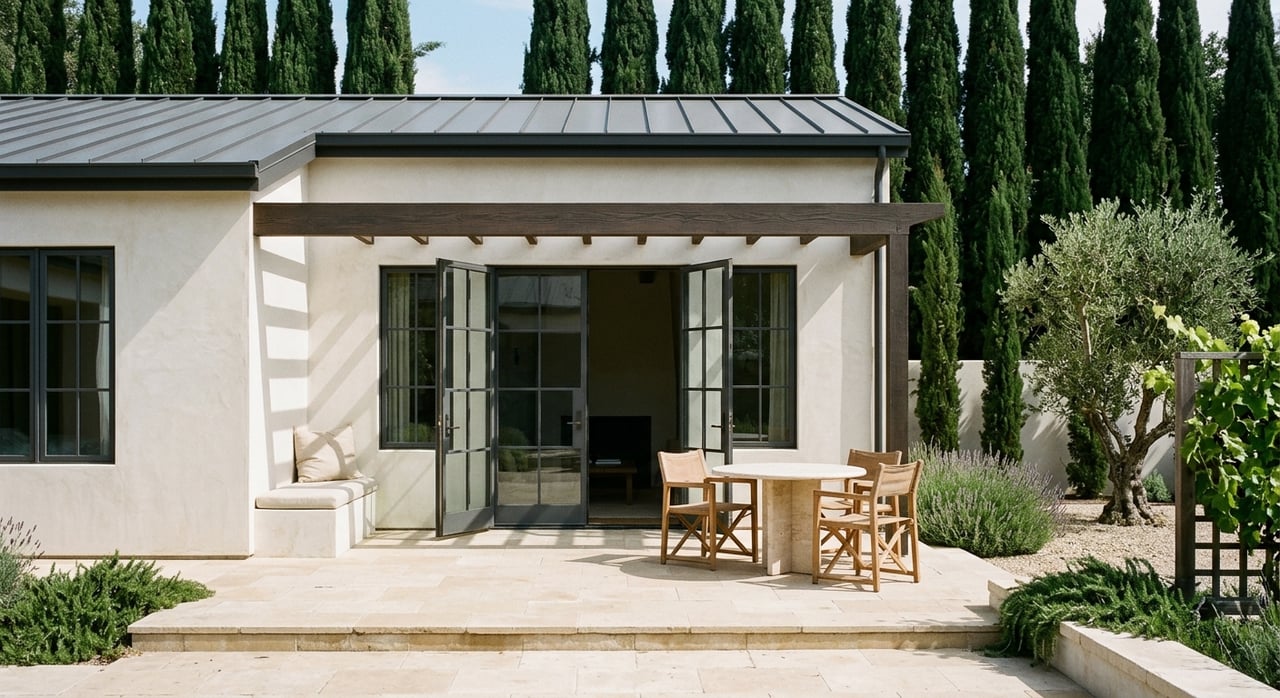
If you picture a Sonoma weekend home as a place used only for elaborate dinners and winery hopping, the reality is usually more relaxed. Many part-time owners use their retreat in simple, repeatable ways: a slow morning near the Plaza, a walk or tasting, time outdoors, and an easy evening back in town. If you are considering a second home here, it helps to understand how Sonoma actually fits into real life, not just vacation-day fantasy. Let’s dive in.
Sonoma weekends start at the Plaza
For many weekend homeowners, the Sonoma Plaza is the center of gravity. According to the City of Sonoma’s Plaza overview, the eight-acre Plaza was laid out in 1835, is the largest of its kind in California, and serves as a National Historic Landmark.
What makes the Plaza especially useful for part-time living is how easy it is to use casually. The city notes that the square includes public restrooms, picnicking areas, a duck pond, two playgrounds, the Grinstead Amphitheatre, a rose garden, and seasonal events. Alcohol is also permitted in the Plaza park from 11:30 a.m. to sunset, which supports the kind of unhurried afternoon that many second-home owners actually want.
That matters because a weekend property works best when it does not require a complicated plan. In Sonoma, you can start with coffee, wander the square, pick up lunch, meet friends, or simply sit outside without feeling rushed.
The Sonoma rhythm is repeatable
One of Sonoma’s biggest appeals is that the weekend cadence is easy to repeat. Instead of building every visit around a big itinerary, many owners settle into a rhythm that feels natural: breakfast near home, one or two daytime activities, then dinner or an evening event.
That local rhythm is backed up by Sonoma’s calendar. The City of Sonoma events page highlights seasonal favorites such as the Tuesday Night Market from May through early September, Sonoma Sundays on the Plaza with free outdoor concerts through the first weekend of October, and Art Walk events on first Thursdays from October through April.
For homeowners, this creates a valuable kind of consistency. You do not have to reinvent the weekend each time you arrive. There is often something happening, but the structure still leaves room for downtime.
A typical day feels pleasantly simple
A Sonoma weekend often looks less like a packed trip and more like a series of easy choices. You might sleep in, head toward the Plaza, enjoy lunch outdoors, spend part of the afternoon tasting or walking, then return home to reset before dinner.
The Sonoma Valley Visitors Bureau FAQ notes that tasting rooms generally open between 10 and 11 a.m. and close between 4:30 and 6 p.m. That schedule naturally supports a half-day outing rather than an all-day production.
Seasonal energy, year-round use
Some of Sonoma’s busiest moments are seasonal, especially from May through October. The Visitors Bureau notes that this is the most popular time to visit, with harvest season in September and October bringing added activity.
But part-time ownership here is not limited to harvest weekends. Sonoma’s Mediterranean climate, with warm summer days and cool evenings, plus restaurants near the Plaza that offer outdoor dining, helps support year-round use for a second home. The result is a retreat that can work for both lively weekends and quieter off-season stays.
Wine is part of the routine, not all of it
It is easy to assume that a Sonoma retreat is used mainly for wine tasting. In practice, wine is often just one part of the day.
The Sonoma Valley Visitors Bureau describes the valley as a year-round destination for arts, food, wine, and outdoor experiences, with more than 100 premium wineries and 85 percent family-owned. That breadth matters because many owners want flexibility. Some weekends call for a tasting. Others call for a walk, a picnic, or a simple afternoon with guests.
Outdoor routines are easy to build
For a quick morning outing, the Sonoma Overlook Trail sits about four blocks north of the Plaza and offers a nearly 3-mile hillside path with views of town and the valley. Nearby, Montini Open Space Preserve offers looped trails open from dawn to dusk along the city’s northern edge.
If you want a longer outing, Sonoma Valley Regional Park in Glen Ellen includes several miles of oak-woodland trails, picnic areas, and the ADA-accessible 1.2-mile Valley of the Moon Trail. This is one reason Sonoma second homes often support a broader lifestyle than people first imagine.
History adds another easy option
Not every outing needs to revolve around wine or the outdoors. Sonoma State Historic Park is open daily from 10 a.m. to 5 p.m. and includes Mission San Francisco Solano, General Vallejo’s home, the Sonoma Barracks, picnic areas, restrooms, guided tours, and free public parking behind the Barracks.
For part-time homeowners, that means hosting can stay easy. If friends or family are visiting, there is a built-in downtown activity that feels local, interesting, and low effort.
The lifestyle extends beyond downtown Sonoma
Although the Plaza anchors the weekend, the Sonoma lifestyle reaches well beyond the city center. The Visitors Bureau describes Sonoma Valley as a 17-mile corridor stretching from Carneros to Kenwood and including the city of Sonoma, Glen Ellen, and other villages.
That wider geography changes how many owners use their home. You may spend one day centered on the Plaza, then another exploring Glen Ellen, taking a park walk, or driving through a different part of the valley. A Sonoma retreat often works best when it supports both in-town spontaneity and short regional outings.
What matters most in a weekend home
When you look at how Sonoma is actually used, a few home features stand out. The goal is not just beauty. It is ease.
Walkability supports frequent use
Because the Plaza anchors so much of the local rhythm, walkability matters. A home with easier access to downtown can make quick weekends feel more worthwhile, especially when you want to arrive, settle in, and head out on foot.
This is especially true in a market where casual gathering is part of the lifestyle. The Plaza’s mix of seating, picnicking, events, and public amenities makes nearby living practical, not just charming.
Outdoor space earns its keep
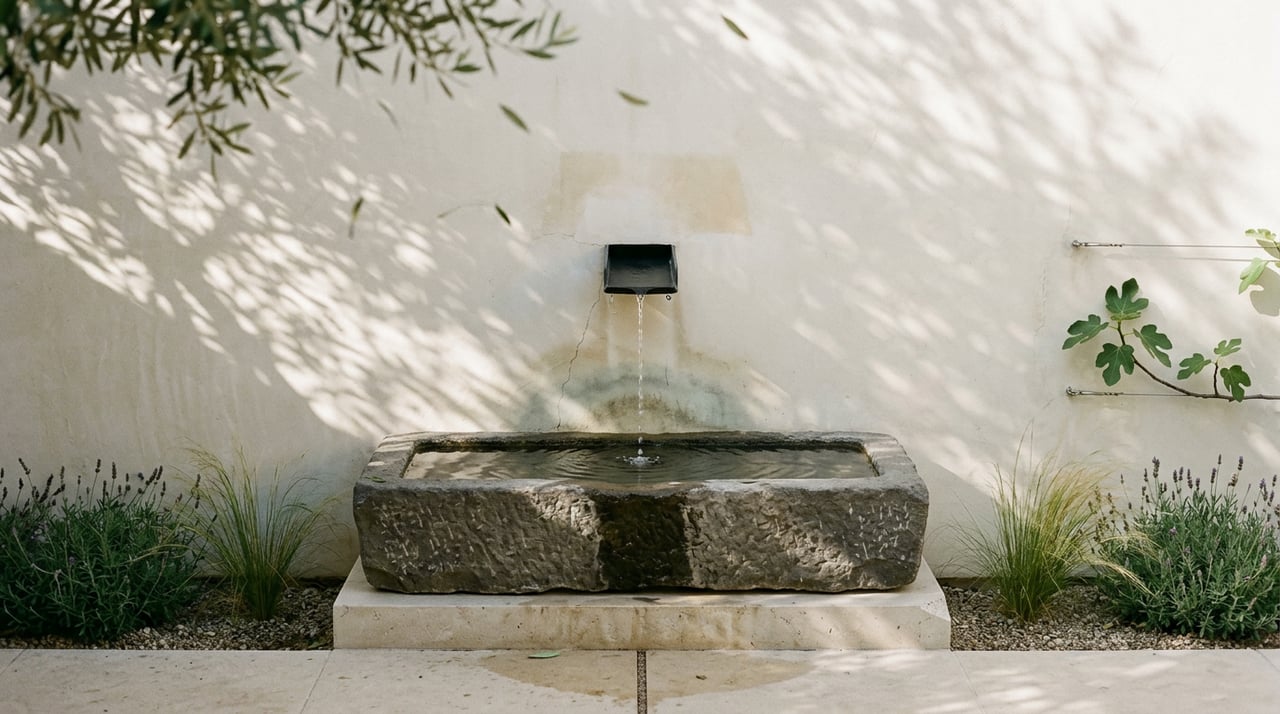
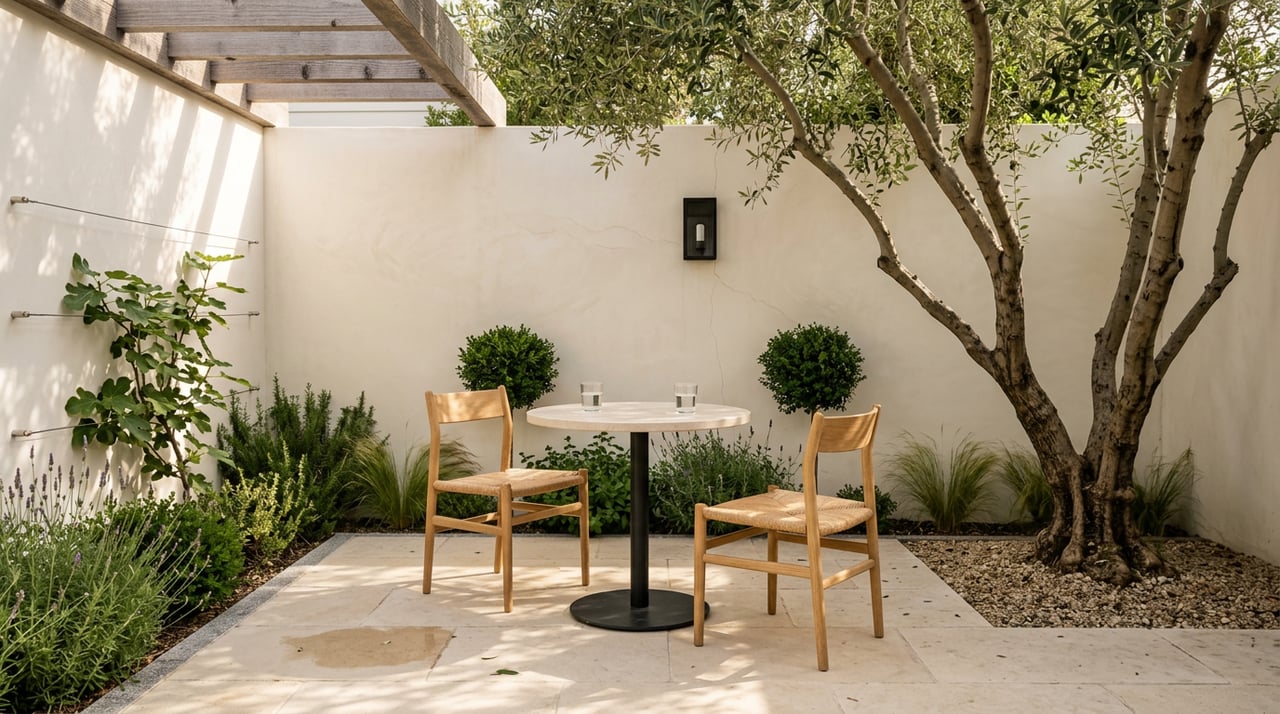
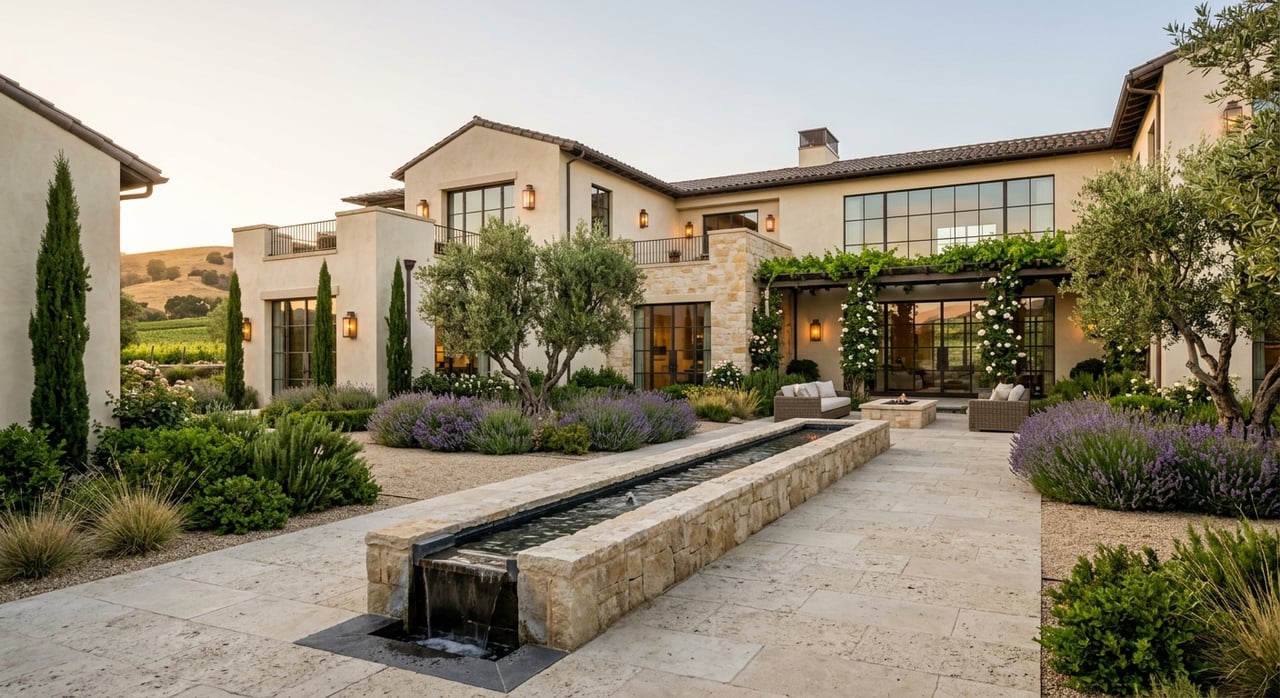
Outdoor living is part of Sonoma’s everyday pattern. Patios, terraces, and dining areas tend to get real use because so much of the weekend rhythm involves fresh air, takeout, outdoor meals, or relaxed time with guests.
You do not need a sprawling estate for outdoor space to matter. Even a lower-maintenance setting can support the way people actually spend time here.
Parking and access still matter
Sonoma is easy to navigate, but it is not entirely car-free. The Visitors Bureau notes there are no direct public-transit routes to wineries, so many tasting-room visits still depend on a car, rideshare, or arranged transportation.
That makes garage space, guest parking, and smooth access more important than some buyers first expect. If you are hosting for the weekend, practical logistics can shape the experience as much as location does.
Low-maintenance design has real value
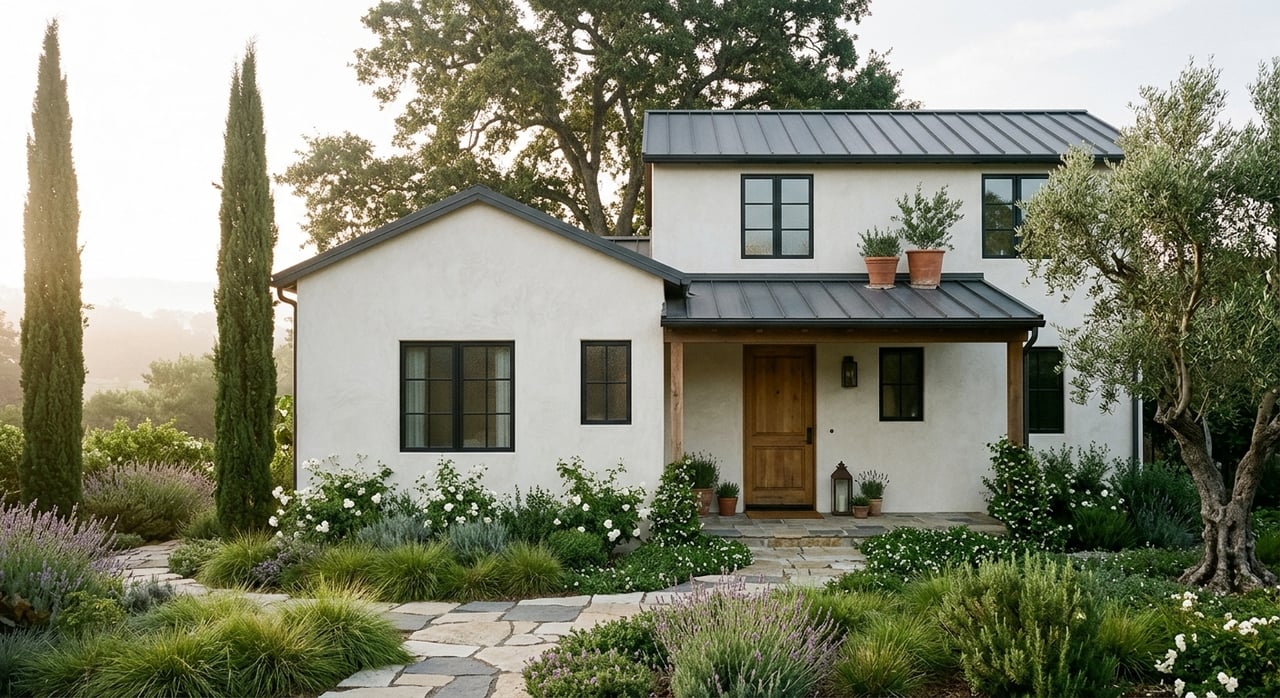
A part-time home should be easy to leave and easy to return to. In Sonoma, that often means landscaping and exterior design that support simpler upkeep.
That is not only about convenience. The research around local stewardship matters too. The Sonoma Ecology Center notes local wildfire-resilience work in open-space areas, and the City of Sonoma highlights homeowner awareness around landscape care. Low-maintenance outdoor areas can align better with the realities of part-time ownership.
Why Sonoma works for second-home living
What makes Sonoma appealing is not just the wine-country setting. It is the fact that the local infrastructure supports easy repeat use.
The Visitors Bureau notes that Sonoma Valley is about 45 minutes north of San Francisco and accessible from four major Northern California airports. It also points to practical visitor resources around the Plaza, including transit information, bus passes, regional park passes, and public EV chargers near the historic core. Those details help explain why Sonoma can work so well as a lock-and-leave retreat.
For many buyers, the best second home is the one you will actually use often. In Sonoma, the combination of a walkable historic center, predictable weekend rituals, nearby outdoor options, and straightforward hosting opportunities makes frequent use feel realistic.
If you are exploring a Sonoma weekend property, the key is to match the home to the rhythm of how you want to live here. The right fit is often the residence that makes arrival easy, downtime natural, and every visit feel effortless. If you are ready to explore that fit with a senior-led, hospitality-minded perspective, SagePoint Real Estate Company can help you evaluate Sonoma opportunities with clarity and discretion.
FAQs
What does a typical Sonoma weekend look like for a second-home owner?
- A common rhythm is a relaxed morning near home or the Plaza, a midday tasting, walk, or picnic, and an easy evening with dinner, a concert, or time back at the house.
How walkable is the Sonoma Plaza for part-time residents?
- The Plaza is highly usable for casual, repeat visits, with public restrooms, picnicking, events, playgrounds, and gathering spaces that make it a practical hub for weekend living.
Which Sonoma activities are seasonal and which are year-round?
- Seasonal highlights include the Tuesday Night Market, Sonoma Sundays on the Plaza, Art Walk, and harvest events, while year-round options include tasting rooms, historic sites, local dining, and nearby walking trails.
What home features are most useful in a Sonoma weekend property?
- Walkability to the Plaza, outdoor living space, guest parking, garage access, and low-maintenance landscaping are often the most helpful features for easier part-time use.
Does the Sonoma lifestyle extend beyond downtown Sonoma?
- Yes. Sonoma Valley stretches from Carneros to Kenwood and includes places like Glen Ellen, so many weekend routines combine Plaza time with park visits, scenic drives, and outings across the valley.
Is Sonoma practical for lock-and-leave second-home ownership?
- In many cases, yes. Sonoma’s proximity to the Bay Area, airport access, Plaza-centered amenities, and easy mix of in-town and outdoor activities support frequent, low-friction use.