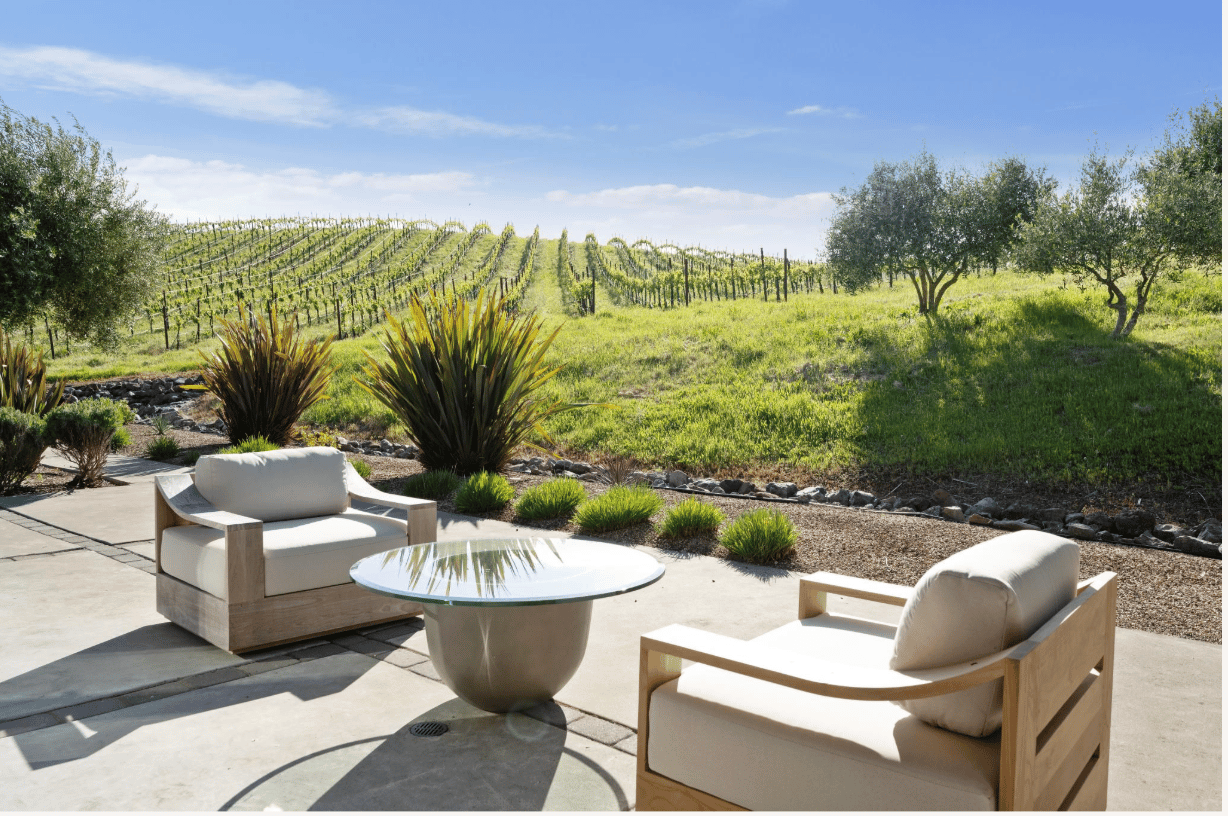
Buying in Sonoma should feel exciting, not overwhelming. Still, the moment your offer is accepted, a lot starts happening behind the scenes. You may be wondering how escrow works, what title insurance actually covers, and when you finally get the keys. This guide gives you clear buyer basics for Sonoma and Sonoma County, so you move from offer to ownership with confidence. Let’s dive in.
Escrow timeline in Sonoma County
Most residential purchases in Sonoma County follow a similar path, with flexibility based on property type, lender, and negotiations. Escrow opens when your offer is accepted and your deposit is delivered.
- Day 0 to 1: Escrow opens, your earnest money deposit is delivered, and a title search is ordered. You receive a preliminary title report early in the process.
- Contingency period: Commonly 10 to 21 days for inspections and early title review. Many California contracts use 17 days for inspections and 21 days for loan as standard defaults, but everything is negotiable.
- Contingency removal: You remove contingencies when satisfied or negotiate repairs or credits. Loan contingency removal usually follows appraisal and full underwriting approval.
- Clear to close: After underwriting, your lender issues final approval and sends funding instructions. Escrow prepares final figures and closing documents.
- Final walkthrough and signing: Typically 1 to 3 days before closing, you verify property condition and sign documents at the escrow office or with a notary.
- Funding and recording: On closing day, the lender wires funds to escrow, and escrow instructs the county to record the deed and deed of trust. Recording makes the transfer public and completes your purchase.
Most Sonoma County transactions close in 30 to 45 days, though 21-day and 60-day closings happen based on property and lender timelines. Rural or estate properties, conservation easements, complex mapping, or septic and well inspections can add time. Electronic signing and e-recording can help on admin steps, but underwriting, appraisal, and specialty inspections set the pace.
Key contingencies to plan
Your contingencies give you time to investigate the home, secure financing, and review title. The mix and timing are negotiated in your offer.
Inspection contingency
Use this window to order a general home inspection and any specialized reports that fit the property. For rural Sonoma homes, that often includes pest or WDPE, roof, HVAC, septic, well and water testing, and sometimes soils or geological review. If fire risk is a concern, verify defensible space and insurance requirements early because they can affect timing and cost.
Loan and appraisal contingencies
Your lender orders the appraisal and completes underwriting. The loan contingency commonly runs 21 to 30 days. If the appraisal comes in low, you may negotiate with the seller, adjust loan terms, or use other options allowed by your contract.
Title review and HOA documents
You or your agent will review the preliminary title report to confirm vesting, legal description, liens, and easements. If you are buying into an HOA, you will receive required documents and disclosures to review within a set period.
Disclosure review
Sellers in California provide statutory disclosures, including the Transfer Disclosure Statement and Natural Hazard Disclosure, plus lead-based paint disclosures for older homes. Review these during your inspection period so you can request repairs, credits, or cancellation according to your contract.
Title and title insurance basics
What the preliminary title report shows
You will see who currently owns the property, the legal description, and recorded items like easements, covenants, and liens. The report lists requirements to close, such as paying off an existing loan or recording corrective documents, and exceptions that the policy will not cover.
Common Sonoma title issues
- Mechanic’s or contractor liens, judgments, and tax liens that must be paid or cleared before closing.
- Easements for utilities or access that affect how you can use the property.
- Conservation, agricultural, or open-space easements that limit subdivision and certain uses, which are common in wine-country settings.
- Williamson Act contracts on agricultural parcels that influence property taxes and future use.
- Water rights, ditch shares, or irrigation agreements relevant to vineyards and farms. Some are recorded, while others rely on seller disclosures and buyer diligence.
- Parcel splits or recent mapping that require careful review.
Your escrow and title team coordinates payoffs and required documents. Older or complex defects can take extra time to resolve.
Owner policy vs. lender policy
- Lender’s policy protects your lender up to the loan amount and is usually required with financing.
- Owner’s policy protects your equity. It is optional but highly recommended. In many parts of California the seller often pays for the owner’s policy, but customs vary by county and are negotiable. Confirm the expectation in your purchase agreement.
Clearing title and timing
Straightforward items, such as paying off a prior deed of trust, are resolved quickly. More complex cures, like resolving long-standing liens or verifying access easements, can extend closing. Your title officer will outline what must happen before the policy can be issued.
Closing costs and who pays
Common closing cost components
- Escrow fee
- Title insurance premiums for owner and lender policies
- Recording fees for deed and deed of trust
- Transfer taxes at the county and possibly city level
- Pest inspection or repairs if negotiated
- HOA transfer and assessment fees if applicable
- Prorated property taxes, HOA dues, and utilities
- Lender costs such as appraisal and origination
Typical payment customs
In many California counties, sellers often pay for the owner’s title policy and county transfer tax, while buyers often cover the lender’s policy, their lender fees, and recording fees for their mortgage. Escrow fees are sometimes split. These items are negotiable and local practices can change. Your offer and counter will set the actual terms.
Funds to close and wires
Escrow will issue a final settlement statement with the exact amount you need to bring to closing. Most escrow companies require a wire transfer for closing funds. Some accept a cashier’s check, but you must verify the policy and cut-off times.
Important security tip: Wire fraud targeting real estate is real. Always confirm wiring instructions by calling your escrow officer using a known phone number. Never rely only on email for wire details.
Recording and Sonoma specifics
Recording process and timing
On closing day, escrow coordinates funding and delivers the deed and deed of trust for recording with Sonoma County. E-recording is widely accepted, which often speeds posting, but rejections can occur if signatures or notary items are incomplete. Recording fees appear on your final statement.
Transfer taxes and local checks
Confirm whether the City of Sonoma or another municipality applies a local transfer tax in addition to county tax. Escrow will verify and collect the correct amounts. Policies can change, so treat any general rule as guidance, not a promise.
Rural property considerations
For many wine-country homes, wells and septic systems are critical. The county’s health and permitting departments may have records tied to the property, and certain inspections can be required by lenders or recommended for your protection. Fire risk and insurance availability matter too. Some areas fall within Very High Fire Hazard Severity Zones, and insurers may require mitigation measures or charge higher premiums. Start insurance quotes early so coverage does not delay closing.
Possession and keys
Ownership transfers when the deed records with the county. Possession is controlled by your purchase agreement. In most standard sales, you receive keys after recording unless another timeline was negotiated.
Buyer checklist for Sonoma
- Get a strong lender pre-approval to support your loan contingency timeline.
- Gather proof of funds for your earnest money and closing.
- Choose your inspection team early: general, pest, roof, HVAC, septic, and well. Add soils or vineyard specialists if needed.
- Review the preliminary title report with your agent. Flag easements, access, and any conservation or agricultural restrictions.
- For rural or vineyard properties, confirm water availability and irrigation agreements.
- Start homeowner’s insurance shopping early, including wildfire coverage and any local mitigation requirements.
- If applicable, review HOA documents and budgets within your disclosure window.
- Confirm wire instructions by phone with escrow before sending funds.
- Keep your lender supplied with documents so underwriting stays on schedule.
Smart tips to keep closing on track
- Align contingency lengths with property complexity. Septic or well delays can ripple through your timeline.
- Order specialized inspections immediately after escrow opens so you have room to respond.
- Read disclosures as they arrive. Ask for clarifications early.
- Monitor appraisal timing with your lender. If you have a tight close, push for early ordering.
- Use secure portals for documents and verify wire details by phone every time.
The bottom line for Sonoma buyers
A smooth Sonoma closing comes from clear expectations, tight coordination, and early diligence on title, inspections, and insurance. Your escrow team handles funds and documents, but you control the speed by tackling contingencies and questions right away. If you want a guided, hospitality-level experience from first tour to recorded deed, our team is ready to help.
Have questions about your next step in wine-country? Connect with the advisors at SagePoint Real Estate Company to schedule a private consultation.
FAQs
What happens in escrow for a Sonoma home purchase?
- Escrow holds your deposit, orders title work, coordinates lender and closing documents, and handles recording once funds are in.
How long does closing usually take in Sonoma County?
- Many transactions close in 30 to 45 days, with 21-day or 60-day timelines possible based on lender speed, property type, and negotiated contingencies.
Do you need an owner’s title insurance policy in Sonoma?
- It is optional but strongly recommended because it protects your equity; confirm in your offer who pays for the owner’s policy since customs vary.
Who pays title and escrow fees in Sonoma?
- Buyers often pay the lender’s policy and loan costs, while sellers often cover the owner’s policy and transfer tax, but these are negotiable and can vary by locality.
How are wells and septic handled in Sonoma County purchases?
- They are commonly inspected during your contingency period, and results can affect closing because repairs, permits, or lender requirements may add time.
When do you become the owner in Sonoma?
- Ownership transfers when the deed is recorded with Sonoma County; possession and keys follow the terms of your purchase agreement.
How can you prevent wire fraud during closing?
- Call your escrow officer using a known number to confirm wiring instructions and never rely only on email for wire details.